What is Lp(a) and Why Your Doctor Might Not Test for It?
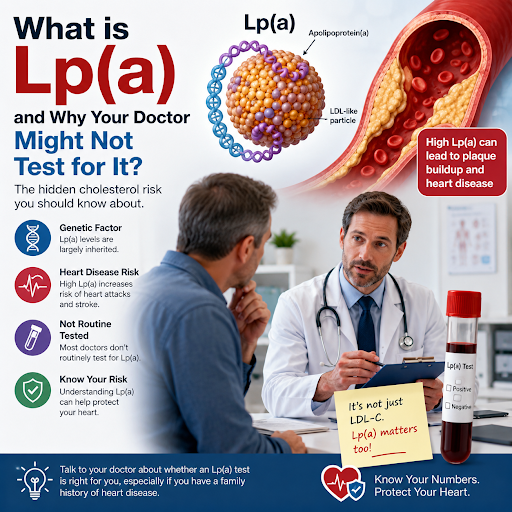
Key Highlights
Lp(a) is a type of lipoprotein that can significantly impact heart health, especially when elevated, posing a higher risk for heart disease and heart attacks.
Most doctors do not routinely test forLp(a) due to clinical guidelines and a lack of emphasis on its importance in conventional practice.
High levels ofLp(a) can be genetically inherited, making family history a crucial factor in assessing cardiovascular risk.
Understanding Lp(a) is essential for those concerned about their cholesterol levels and overall heart disease risk.
There are common misconceptions regarding Lp(a) testing that may lead to underappreciation of its role in cardiovascular health.
A deep dive intolipoprotein(a), commonly known as Lp(a), unveils its importance in maintaining heart health. Unlike standard cholesterol measures, Lp(a) levels can vary significantly among individuals and are often overlooked in routine screenings. This oversight can lead to gaps in understanding one's risk of heart disease, especially since elevated Lp(a) is linked to conditions likeatherosclerotic cardiovascular disease. Awareness and knowledge about Lp(a) empower individuals to engage more effectively with theirhealthcare providers about heart health assessments.
Understanding Lipoprotein(a) [Lp(a)]
Lipoprotein(a), commonly referred to as Lp(a), is a unique particle that carries cholesterol in the bloodstream. Unlike conventionalLDL cholesterol, Lp(a) has a distinct structure, combining an LDL-like particle with a specific protein calledapolipoprotein(a). Elevated levels of Lp(a) have been identified as a potential risk factor for heart disease andatherosclerotic cardiovascular disease. Understanding its role is vital since high levels of this lipoprotein may increase the risk of heart attack and other cardiovascular complications, particularly in those with a family history.
What Makes Lp(a) Different from Other Cholesterol Types
Lipoprotein(a), or Lp(a), stands out from other cholesterol types due to its unique structure. UnlikeLDL cholesterol, which is primarily linked to bad cholesterol levels, Lp(a) has an additional protein component calledapolipoprotein(a) that affects its function. This structural difference contributes to a higher risk ofcardiovascular disease, including early heart disease andaortic stenosis. While standard cholesterol tests often overlook Lp(a), understanding its characteristics is vital for assessing individual heart health and potential risks associated with elevated levels of lipoprotein.
Structure and Function of Lp(a)
Lipoprotein(a), or Lp(a), is unique in its structure, resembling bothLDL cholesterol andplasminogen, a protein involved in the breakdown of blood clots. This duality gives Lp(a) distinct functions; it carries cholesterol through the bloodstream while also contributing to the body’s clotting process. Elevated levels of Lp(a) can lead to a higher risk ofcardiovascular disease by promoting the buildup of fatty deposits in blood vessels, impacting overall heart health and increasing the likelihood of heart attacks and atherosclerosis.
The Significance of Lp(a) in Heart Health
High levels oflipoprotein(a), or Lp(a), can significantly impact heart health by contributing to conditions like coronary artery disease andatherosclerotic cardiovascular disease. Unlike standardLDL cholesterol, elevated Lp(a) is a genetic risk factor that may not respond to typical lifestyle changes or treatments. Understanding its role in blood flow and risk of heart disease is essential, as early detection can help manage cardiovascular health better, especially for those with a family history of heart issues.
How Lp(a) Impacts Cardiovascular Risk
Elevated levels oflipoprotein(a) can significantly influence cardiovascular health, acting as a risk factor for heart disease. Unlike other types of cholesterol, high Lp(a) can contribute toatherosclerosis, where plaque builds up in blood vessels, leading to restricted blood flow. This condition increases the likelihood of heart attacks and strokes, particularly in individuals withfamilial hypercholesterolemia or a family history of early heart disease. Understanding this unique lipoprotein is essential for assessing overall cardiovascular risk and health.
Genetics, Family History, and Lp(a)
Insight into genetics plays a crucial role in understandinglipoprotein(a) levels. Elevated lp(a) often runs in families, signifying a hereditary factor in cardiovascular health. Individuals with a family history of early heart disease or conditions likefamilial hypercholesterolemia may be at higher risk. Understanding these genetic links helpshealthcare providers assess cardiovascular risk better and explore personalized treatment options. Engaging in discussions about family health history can empower individuals to take proactive steps in managing heart health.
Reasons Doctors Might Not Test for Lp(a)
Several factors play a role in why doctors may not routinely test forlipoprotein(a). Clinical guidelines often prioritize standard lipid panels, overlooking elevated Lp(a) due to a lack of consensus on its significance. Additionally, many healthcare providers may not perceive high Lp(a) as a critical risk factor for conditions likeatherosclerotic cardiovascular disease, especially in absence of other markers. This can lead to misunderstandings that can affect patient education and awareness concerning heart health and potential treatment options.
Clinical Guidelines and Testing Frequency in the United States
In the United States, clinical guidelines from organizations like theAmerican Heart Association recommend an assessment of cholesterol levels, but Lp(a) testing often remains excluded from routine checks. This oversight stems from varying factors, including the lack of awareness about its implications in heart health and the limited evidence in standard clinical practice. Regular testing forhigh-density lipoprotein and LDL cholesterol takes precedence, leaving many unaware of their Lp(a) levels, which could significantly influence their cardiovascular risk profile.
Common Myths and Misconceptions About Lp(a) Testing
Misunderstandings surroundinglipoprotein(a) testing are surprisingly common. Many people believe that all cholesterol tests include Lp(a), but that isn't true—standard lipid panels typically measure only LDL and HDL cholesterol. Another myth is that Lp(a) is only a concern if you're already diagnosed with heart disease, which overlooks its potential role as a significant risk factor even in seemingly healthy individuals. Educating oneself about these misconceptions can lead to better heart health awareness and proactive discussions withhealthcare providers.
Conclusion
Navigating the complexities oflipoprotein(a) and its implications for heart health reveals both challenges and opportunities. Understanding the nuances of elevated Lp(a) can empower individuals to engage in proactive discussions with theirhealthcare providers. While testing may not be universally prioritized, recognizing genetic factors and the relationship between Lp(a) and risk factors likeatherosclerotic cardiovascular disease is crucial. Embracing a healthy lifestyle can mitigate risks, and open dialogues can encourage earlier intervention and informed decisions regarding heart health management.
Frequently Asked Questions
Who Should Consider Testing for Lp(a) – Is It Right for You?
Individuals with a family history of heart disease, those with elevated cholesterol levels despite a healthy lifestyle, or anyone experiencing unexplained cardiovascular issues should consider testing forlipoprotein(a) [Lp(a)]. Discussing personal risk factors with ahealthcare provider is crucial to determine the necessity of testing.
Can Lifestyle Changes or Medications Lower Lp(a) Levels?
Lifestyle changes and certain medications might have limited effects on loweringLp(a) levels. Unlike LDL cholesterol, Lp(a) is primarily influenced by genetics. While some treatments may offer marginal decreases, lifestyle modifications are generally more effective for overall heart health improvement.
How Do You Interpret Lp(a) Test Results?
InterpretingLp(a) test results involves understanding the levels measured. High Lp(a) levels (above 30 mg/dL) can indicate increased cardiovascular risk, necessitating further evaluation. It's essential to discuss results with ahealthcare provider for personalized interpretation and potential risk management strategies.
Frequently Asked Questions
What is Lp(a)?
Lp(a), or lipoprotein(a), is a type of cholesterol-carrying particle in the blood. High Lp(a) levels can increase the risk of heart disease, heart attack, stroke, and plaque buildup in the arteries.
Why is Lp(a) important for heart health?
Lp(a) is important because it can raise cardiovascular risk even when regular cholesterol levels look normal. Since Lp(a) is mostly inherited, people with high levels may not know they are at risk without a specific blood test.
Why do doctors not always test for Lp(a)?
Doctors may not always test for Lp(a) because it is not included in a standard cholesterol panel. Many routine tests check LDL, HDL, total cholesterol, and triglycerides, but Lp(a) usually requires a separate test.
Who should consider an Lp(a) test?
People with a family history of early heart disease, high cholesterol, heart attack, stroke, or unexplained cardiovascular problems should consider asking their healthcare provider about an Lp(a) test.
Is high Lp(a) genetic?
Yes, high Lp(a) is mostly genetic. Lifestyle habits can support overall heart health, but Lp(a) levels are mainly controlled by inherited factors.
Can lifestyle changes lower Lp(a)?
Lifestyle changes usually do not lower Lp(a) much because it is mostly genetic. However, healthy eating, regular exercise, not smoking, and managing blood pressure and LDL cholesterol can still reduce overall heart disease risk.
What level of Lp(a) is considered high?
Lp(a) levels above 30 mg/dL are often considered elevated, but risk interpretation can vary depending on the lab, unit used, personal health history, and other risk factors. It is best to review the result with a healthcare provider.
What should you do if your Lp(a) is high?
If your Lp(a) is high, speak with a healthcare provider about your overall cardiovascular risk. They may review your family history, LDL cholesterol, blood pressure, lifestyle, and decide whether further testing or preventive care is needed.